Bupa OSHC Exclusive Services: Mental Health, 150+ Language Support and a Direct-Billing Hospital Network Most International Students Never Check
When you secure your Australian student visa, taking out Overseas Student Health Cover isn’t optional—it’s a condition of your visa grant. Yet the vast majority of students treat OSHC as a checkbox. They search for the cheapest premium, buy a policy in minutes and never think about what they actually signed up for until the day they need a doctor, a counsellor or a hospital bed. That day is exactly when the differences between basic cover and a provider that invests in exclusive services stop being abstract and start affecting real life—your wait times, your out-of-pocket costs, the language you explain your symptoms in and whether there’s a trained professional on the other end of the phone at 3 am when anxiety hits.
Bupa OSHC has built a suite of exclusive services that directly address the pressure points international students face in the Australian healthcare system. Three pillars stand out: proactive mental health support that goes far beyond a pamphlet, multilingual customer service accessible in over 150 languages, and a carefully constructed partner hospital network—Members First—that dramatically reduces out-of-pocket expenses and the uncertainty of upfront billing. This article unpacks each of those pillars, explains why they matter for the global student audience and shows how Bupa OSHC’s differentiating features bridge the gap between a piece of paper and genuine peace of mind.
Why Your OSHC Provider Matters More Than the Price Difference
Overseas Student Health Cover is designed to help international students meet the costs of medical and hospital care in Australia. All compliant policies cover the same basics because they must meet the Department of Home Affairs’ minimum requirements: hospital treatment, certain prescription medicines, ambulance services and a restricted set of extras. That floor, however, is low. What happens above it—the speed of claims, the size and quality of the direct-billing network, the availability of interpreters and the depth of mental health resources—varies dramatically from one insurer to the next.
International students often arrive in Australia alone. They are learning how a completely different health system works while juggling coursework, part-time work and the emotional load of living thousands of kilometres from home. In that context, a health cover that only ticks government boxes leaves students exposed at the worst possible moments. Bupa OSHC’s exclusive services are built to fill exactly that gap, making healthcare more accessible, more affordable and less frightening—especially for students whose first language is not English.
24/7 Mental Health Support: A Lifeline That Doesn’t Clock Off
Mental health is the quiet crisis of the international education experience. Research consistently shows that overseas students report higher levels of psychological distress than domestic peers, yet they are less likely to seek help. Language barriers, cultural stigma, lack of familiarity with the local system and the fear of burdening family back home all conspire to keep students silent. Bupa OSHC’s mental health support services are designed to dismantle those barriers before a bad week becomes a full-blown crisis.
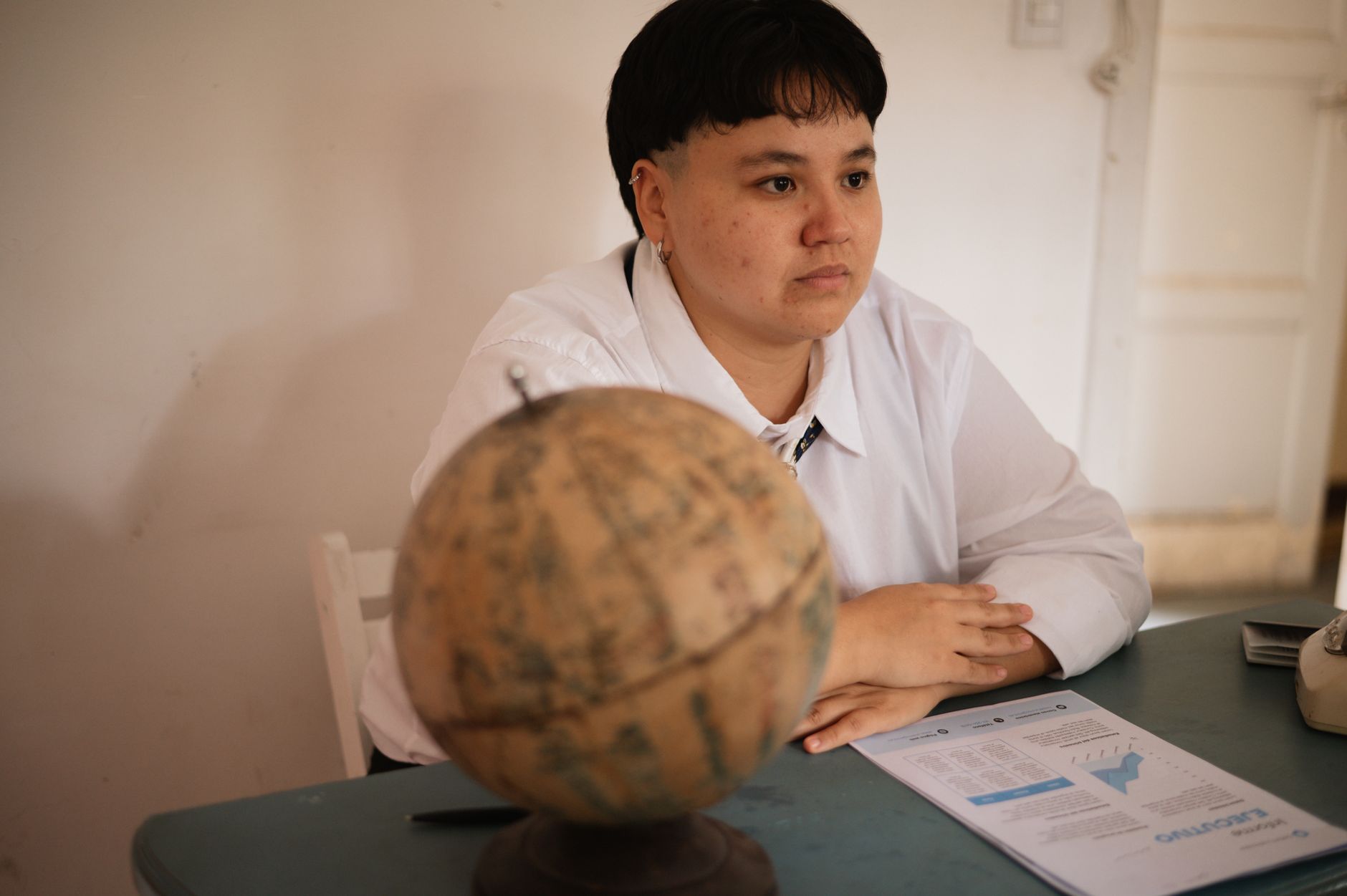
At the core of this offering is the 24/7 Student Health and Support Line. It is not a triage bot or a queue that leads to a voicemail—it connects Bupa OSHC members directly to registered nurses and qualified mental health professionals at any hour, every day of the year. A student who wakes up at 2 am with a panic attack can speak to someone who understands the international student context, can provide immediate counselling-level support and can direct the caller to appropriate follow-up care without the student having to Google “psychologist near me, does bulk-bill, speaks my language”.
Beyond the phone line, Bupa OSHC members gain access to digital cognitive behavioural therapy programs through partnerships with clinically validated platforms. These self-paced, evidence-based tools are often available in multiple languages and can be used discreetly on a smartphone. No referral is needed, no waiting list applies, and no out-of-pocket cost sits between the student and the resource. When face-to-face psychology sessions are clinically appropriate, Bupa OSHC covers a portion of the cost under its Extras cover add-ons, and the insurer’s extensive partnership network means students can often find providers who offer direct billing, removing the need to pay a large sum and then wait for a reimbursement.
What makes this constellation of mental health support genuinely differentiating is that it treats psychological wellbeing as a core component of health cover rather than a marketing afterthought. Many OSHC products mention “mental health” in their policy documents but provide little more than a minimal Medicare-equivalent psychology rebate that still leaves the student hundreds of dollars out of pocket per session. Bupa OSHC wraps the rebate inside a proactive, always-on support ecosystem that catches students earlier and guides them into care more smoothly.
Multilingual Customer Service: 150+ Languages, Zero Communication Friction
Healthcare is complicated enough when you are speaking your mother tongue. Describing chest pain, explaining a previous surgery, understanding a specialist’s instructions or disputing a claim becomes exponentially harder when there is a language gap. Bupa OSHC’s multilingual customer service is not a bolt-on translation app; it is an embedded, institution-wide capability that runs through both telephone support and physical store locations.
The service spans over 150 languages. When an international student calls the Bupa OSHC support line, they can request an interpreter in their preferred language. The interpreter joins the call within minutes, works in real time and is bound by the same privacy obligations as the Bupa team. The student never pays for the interpreting service, and the conversation moves at the student’s pace—not at the speed of a rushed bilingual friend pulled out of a lecture.
For students from non-English-speaking backgrounds—the very audience Bupa OSHC targets with its nine-language global approach—this removes the single largest friction point in navigating Australian healthcare. A Mandarin-speaking student from Shanghai can explain her symptoms in Mandarin and hear the Bupa consultant’s response in the same language. An Arabic-speaking student from Jordan does not have to worry whether “dizziness” was translated as “vertigo” and whether that changed the triage priority. A Spanish-speaking PhD candidate can clarify whether a specific pathology test is covered without a dictionary in one hand and a phone in the other.
Physical access matters just as much. Bupa maintains a network of retail stores across Australian capital cities and major university hubs. Many of these stores employ staff members who speak languages common among the local international student population—think Hindi, Mandarin, Cantonese, Vietnamese, Nepali, Thai and Bahasa Indonesia—so students can walk in, sit down and have a face-to-face conversation about their health cover in a language they are comfortable with. This hybrid of phone interpreting and in-store multilingual staffing is rare among OSHC providers and marks one of the sharpest differentiating features of Bupa OSHC’s exclusive services.
The Members First Partner Hospital Network: Direct Billing That Protects Your Wallet
Hospital admissions are the moments when a thin insurance policy reveals all its hidden gaps. A typical scenario for an international student without carefully structured cover looks like this: they are admitted, receive treatment, are discharged, receive a bill for thousands of dollars because the hospital charges above the government schedule fee, pay the bill out of pocket (often by borrowing from family or burning through rental bond money) and then submit a claim to their insurer, only to discover the insurer covers the schedule fee and the student is left holding the “gap”. The financial shock can derail a semester.
Bupa OSHC’s Members First partner hospital network is engineered to prevent exactly that chain of events. When a member is admitted to any of the hundreds of private hospitals and day surgeries within the Members First network, Bupa settles the eligible hospital costs directly with the facility. The student does not pay upfront for the hospital bed, the theatre fees or the nursing care covered by the policy. The “gap” does not appear because the hospital has a negotiated agreement with Bupa that accepts the insurer’s payment as full settlement for the covered services. For the student, the experience is walk in, receive care, sign a form and walk out—no four-figure bill in the mail six weeks later.
The network is national. It stretches from major teaching hospitals in Sydney’s Macquarie Park and Westmead precincts to private surgical centres in Melbourne’s eastern suburbs, Brisbane’s southside and Perth’s CBD fringe. This means a student studying at a regional campus in Ballarat or Wollongong who needs elective surgery does not have to travel to a capital city and navigate an unfamiliar hospital system alone; local Members First options are frequently available.
Even outside the formal Members First network, Bupa OSHC operates medical gap schemes for specialists and doctors. When a student visits a participating specialist, the doctor bills Bupa directly and the student may face no out-of-pocket cost or a clearly disclosed, capped gap that is known before the appointment. This transparency transforms the financial planning aspect of healthcare—students know what a procedure will cost them before they book, not after they have already committed.
Beyond the Headlines: Extra Services That Reinforce the Bupa OSHC Difference
While mental health support, multilingual customer service and the partner hospital network form the visible pillars of Bupa OSHC’s exclusive services, a collection of complementary offerings hardens the overall proposition into something materially more useful than baseline cover.
Bupa OSHC Mobile App and Digital Claims
The app allows students to submit claims by photographing receipts, track claim progress in real time and store their digital membership card. Digital claims typically process faster than postal claims, and the ability to see exactly when a refund will land in a bank account removes a layer of financial uncertainty that students living on tight budgets strongly value.
Telehealth Integration
Bupa OSHC supports telehealth consultations with GPs and certain specialists. For a student who feels unwell at 9 pm on a Sunday, being able to access a video consultation, have a script sent electronically to a nearby pharmacy and claim the cost through the app means the entire episode is resolved without a single physical waiting room.
Overseas Student Advisory Services
Bupa employs dedicated overseas student teams whose sole focus is understanding the international education landscape. They can explain how a change in visa status might affect cover, what to do if a student switches education providers, and how cover works during semester breaks or when travelling outside Australia. This institutional knowledge is not something a generalist call centre can replicate.
Health and Wellness Content in Multiple Languages
Bupa produces health information, wellness guides and mental health toolkits that are translated into key student languages. A Nepali student looking for stress-management strategies written in Nepali, or a Vietnamese student wanting a plain-language explanation of the Australian Medicare system in Vietnamese, can find Bupa-created resources rather than relying on informal community translations that may be inaccurate.
All these services reinforce the same principle: international students are not a secondary audience that gets a pared-down, one-size-fits-all version of domestic cover. They are a primary audience whose needs—language, cultural unfamiliarity, lack of local family support—have been systematically thought through and built into the product.
What International Students Actually Gain: A Cumulative Protective Layer
Stack the exclusive services together and the value proposition becomes clear. A non-English-speaking student arriving in Australia with Bupa OSHC faces a fundamentally different healthcare experience compared to a peer holding the cheapest compliant policy from a provider with no multilingual support and a tiny direct-billing network.
In the first scenario, a mental health wobble can be met with a same-night phone call to a professional who organises an interpreter in the student’s language, guides them through immediate coping strategies and books a follow-up psychology session with a provider who direct-bills Bupa. In the second scenario, the student either does not call anyone, pays for an emergency GP visit and gets a referral to a psychologist with a three-week waiting list and a gap fee they cannot afford, or simply drops out of care.
When a sudden medical condition requires hospital admission, a Bupa OSHC member can be directed to a Members First hospital where they will not be asked for a deposit or a credit card pre-authorisation for covered services. The discharge paperwork is settled between the hospital and Bupa. A student on a budget policy might refuse the admission or face a debt collection process that damages their credit record and their mental health simultaneously.
The cumulative protective layer is what distinguishes Bupa OSHC’s differentiating features from marketing language. It is not about perks; it is about removing the precise obstacles—language, cost-shock, isolation—that cause international students to under-utilise the healthcare they are legally required to hold and morally entitled to use.
Frequently Asked Questions About Bupa OSHC’s Exclusive Services
What mental health support does Bupa OSHC provide beyond the standard OSHC minimum?
Bupa OSHC offers a 24/7 Student Health and Support Line staffed by registered nurses and mental health professionals, access to digital cognitive behavioural therapy programs, coverage for psychology sessions under Extras add-ons and a network of practitioners who offer direct billing. This is more proactive than the limited psychology rebate many baseline policies provide.
How do I use the multilingual customer service?
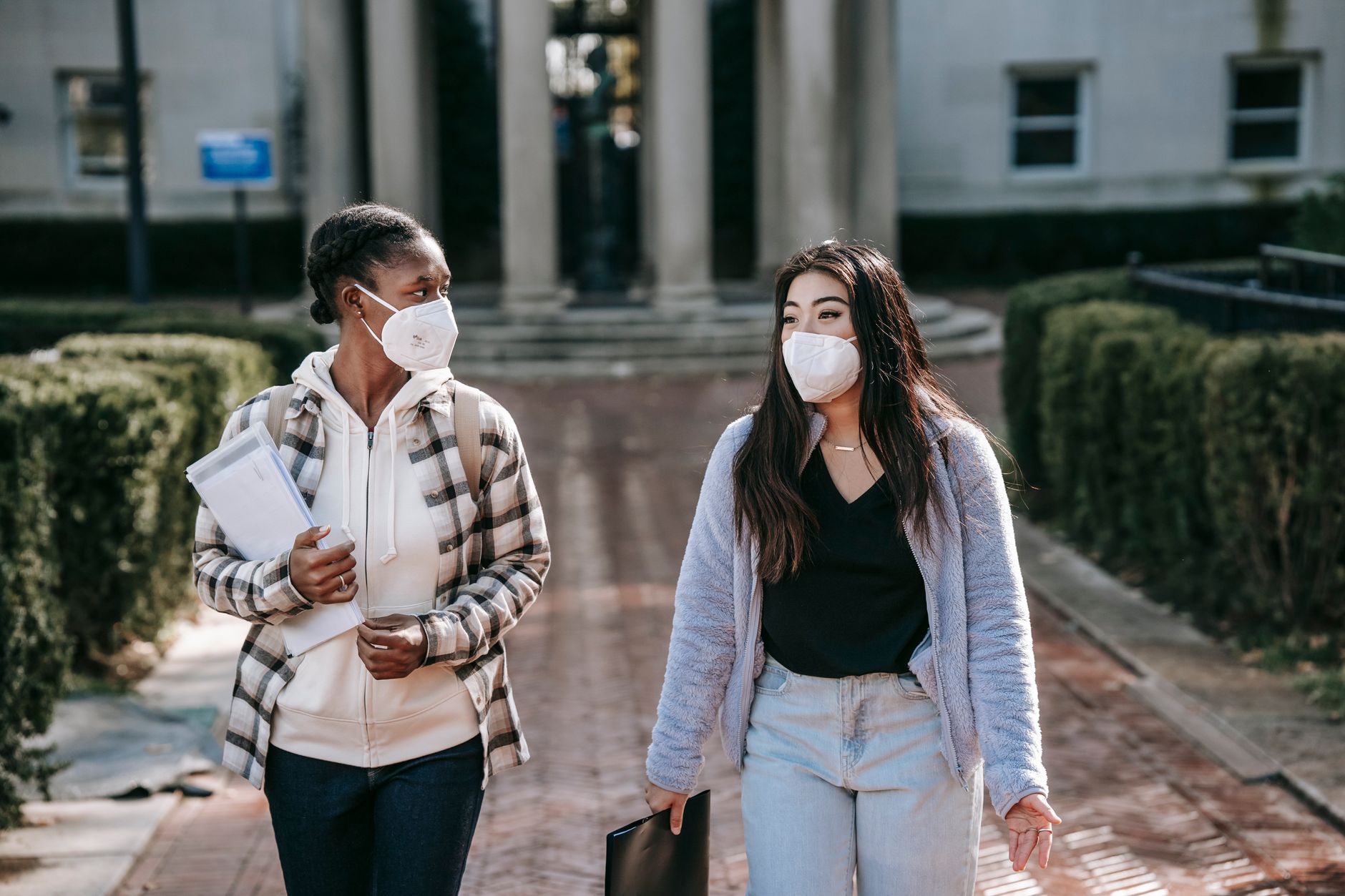
Call the Bupa OSHC member line and request an interpreter in your preferred language. The service covers over 150 languages and is free. You can also visit Bupa retail stores in many Australian cities where staff members speak languages common among international students, including Mandarin, Hindi, Nepali and Vietnamese.
What is the Members First hospital network and why should I care?
Members First is a network of private hospitals and day surgeries that have an agreement with Bupa to charge no gap or a known small gap for covered treatments. Bupa pays the hospital directly, so you do not need to pay the full bill upfront and wait for a reimbursement. This protects you from unexpected, large out-of-pocket hospital costs.
Can I get telehealth services with Bupa OSHC?
Yes. Bupa OSHC covers telehealth consultations with GPs and many specialists. You can use video or phone consultations, and claims are submitted the same way as for in-person visits. This is especially helpful for students in regional areas or those who need a quick consultation outside normal clinic hours.
Are Bupa OSHC’s exclusive services available to all international students?
Yes. Any international student holding a valid Bupa OSHC policy can access the 24/7 health line, multilingual interpreting, the Members First network and the Bupa app. Eligibility does not depend on visa subclass, nationality or level of study—if you have Bupa OSHC, these services are included.
A Smarter Safety Net for International Students
Bupa OSHC’s exclusive services—mental health support that is genuinely 24/7 and clinically led, multilingual customer service spanning over 150 languages, and a partner hospital network designed to eliminate billing surprises—form a coherent, practical safety net that international students can rely on from the moment they land in Australia. These are not marginal extras bolted onto a generic policy; they fundamentally reshape the healthcare experience for students who are navigating an unfamiliar system in a language they may not yet command fluently. When the premium difference between a basic policy and Bupa OSHC is spread across a year, the daily cost of this additional layer of protection is negligible, but the difference in outcome on a hard day is enormous. Understanding these differentiating features before you buy gives you agency that most students only wish they had six months into a policy they never read.